
Income security across the life cycle
Protection should reach people at every stage of life — childhood, working age, maternity, disability and old age — because a shock like illness, job loss or losing a breadwinner can affect anyone at any time.
Protection should reach people at every stage of life — childhood, working age, maternity, disability and old age — because a shock like illness, job loss or losing a breadwinner can affect anyone at any time.
As floods, cyclones and dry spells intensify in Malawi, social protection must be able to scale up quickly to help families who lose crops, livestock and livelihoods to disaster.
Most protection is skewed toward the formal sector. Extending coverage to informal workers — the majority of Malawians — protects them today and builds a fairer, more sustainable system for tomorrow.
Reducing dependence on donor funding through smarter domestic financing — so that social protection in Malawi is predictable, well-governed and here to stay.
For persons with disabilities, social protection should be an enforceable right and a route to dignity and empowerment — not an act of charity.
Linking cash transfers with skills, savings and livelihoods — a “cash-plus” approach — so that households don't just cope with poverty, but move toward lasting resilience.
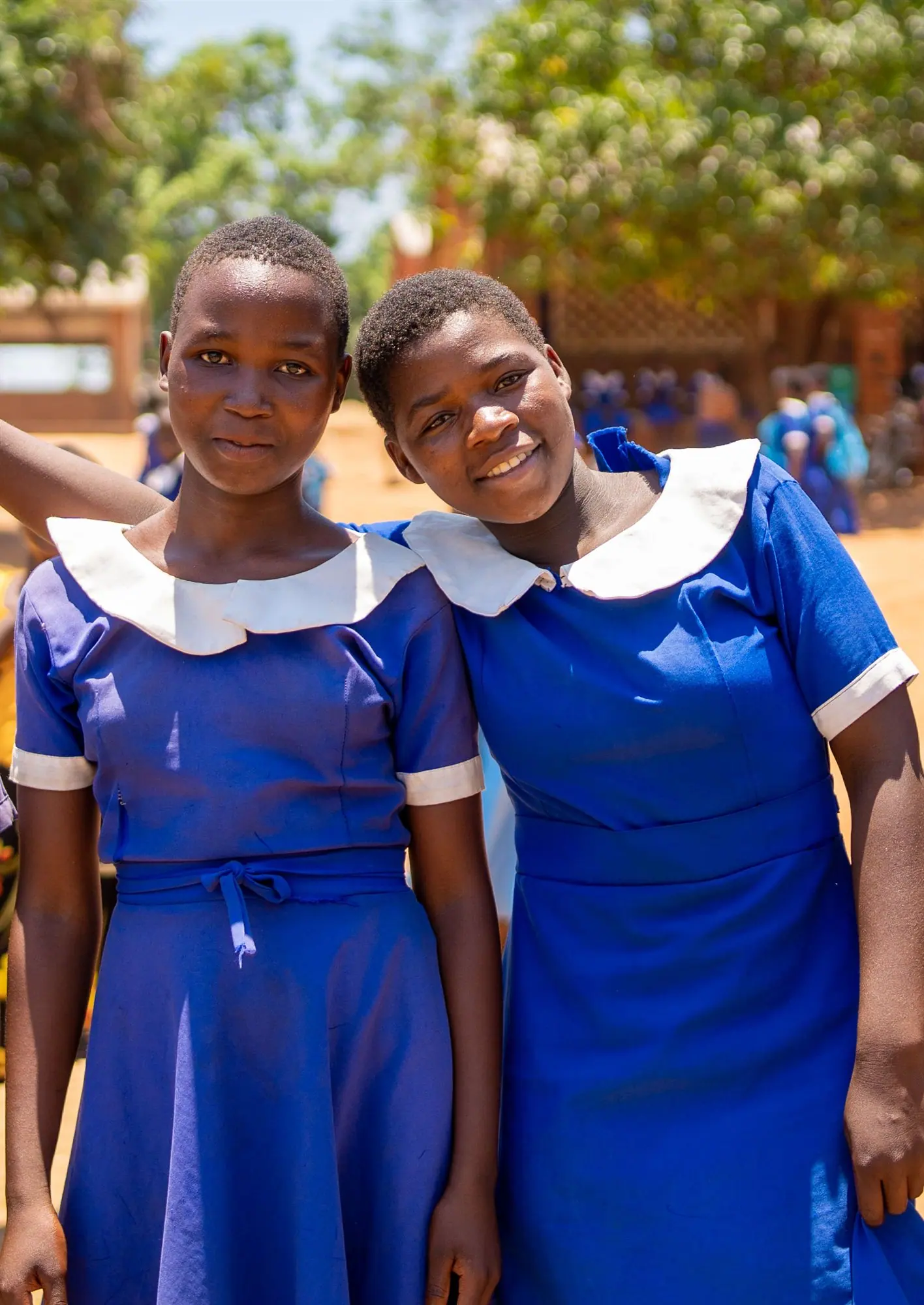
Social protection is a human right — for everyone, at every stage of life.
We bring civil society together to turn these issues into stronger policy, fairer financing and real coverage for the people who need it most.
Explore how we advocate, monitor and build capacity across Malawi — or support the work.